Understand LoRaWAN adaptive data rate, network-server decisions, SNR margins, ADRACKReq and backoff, with configuration considerations for mobile devices.
Compare LoRaWAN OTAA and ABP activation, including join flows, session keys, frame counters, deployment complexity and production or development use cases.
Write ThinkLink payload decoders for LoRaWAN uplinks using thing models and tklHelper, with sandbox limits, parameter replies, sub-devices and debugging tips.
Explore ThinkLink API workflows for LoRaWAN fleet registration, configuration and queries, with authentication, pagination, idempotency and retry considerations.
Estimate LoRaWAN battery life from operating states, report intervals and battery chemistry, with power measurement, join overhead and real-world validation.
LoRaWAN battery life · LoRaWAN device powerRead article ↗
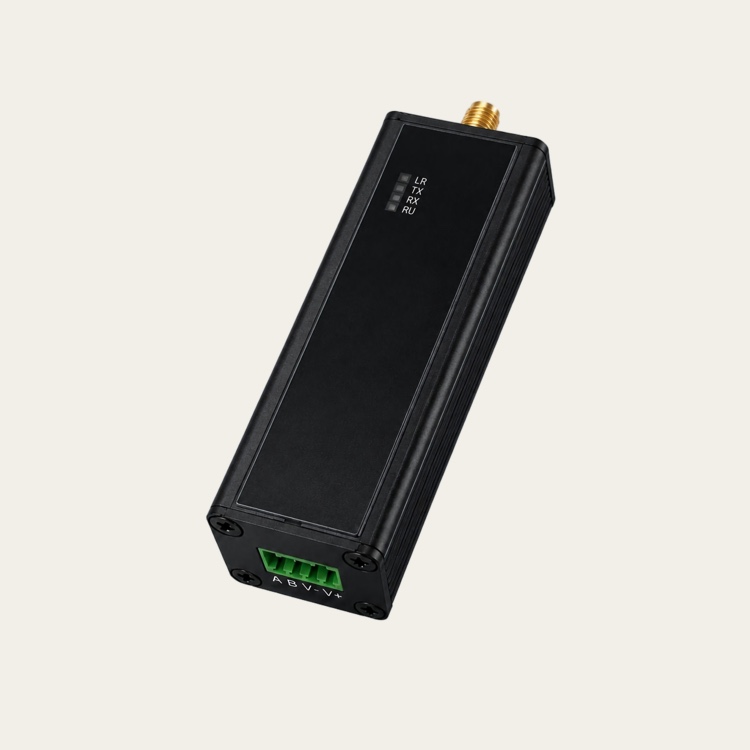
Use a DIN-rail collector and EdgeBus to read, parse and wirelessly report data from RS-485 instruments already in your control cabinet. Adapted from the KC25x product article on ManThink’s previous website.
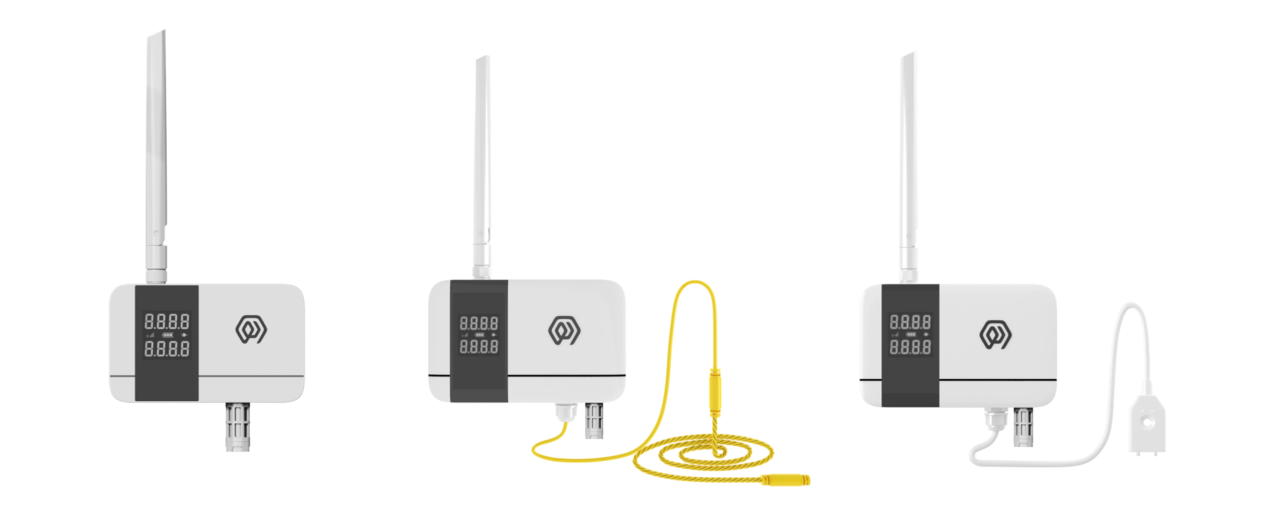
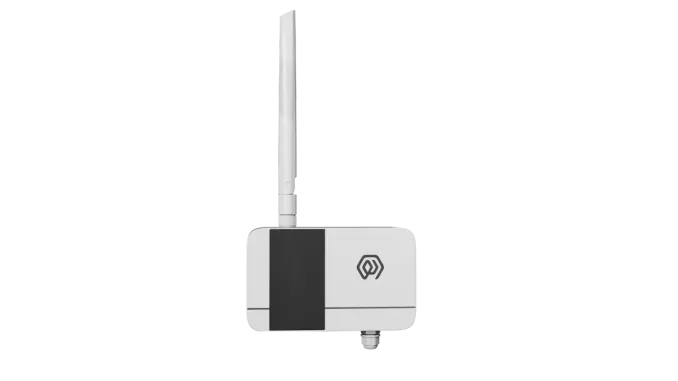
Equipment rooms, warehouses and electrical rooms need both environmental data and timely leak detection. This article draws on ManThink’s previous website to explain KS52 configurations and platform integration.
M-Bus heat meters connect through KC22 collectors, LoRaWAN gateways and ThinkLink for remote meter reading. Adapted from the previous smart-heating article, with a focus on device roles and checks before retrofitting.
If you already have cloud or server infrastructure, start with GD6. For a platform running locally on the gateway, consider GD7 with ThinkLink built in. Then check the model against the environment, power, backhaul and regional band.
For new monitoring points, choose by temperature, humidity, leaks or air quality. For existing instruments, start with dry-contact, current or voltage outputs. Confirm the signal type first, then channels, power and configuration.
Confirm electrical interfaces and protocols, choose the right collector, then implement reading and processing with EdgeBus / JS. Matching interfaces do not mean matching protocols; existing adapters still need verification for the specific device configuration.